%5B90%5D.webp)
.webp)
Please submit your details below and we will be in touch soon.
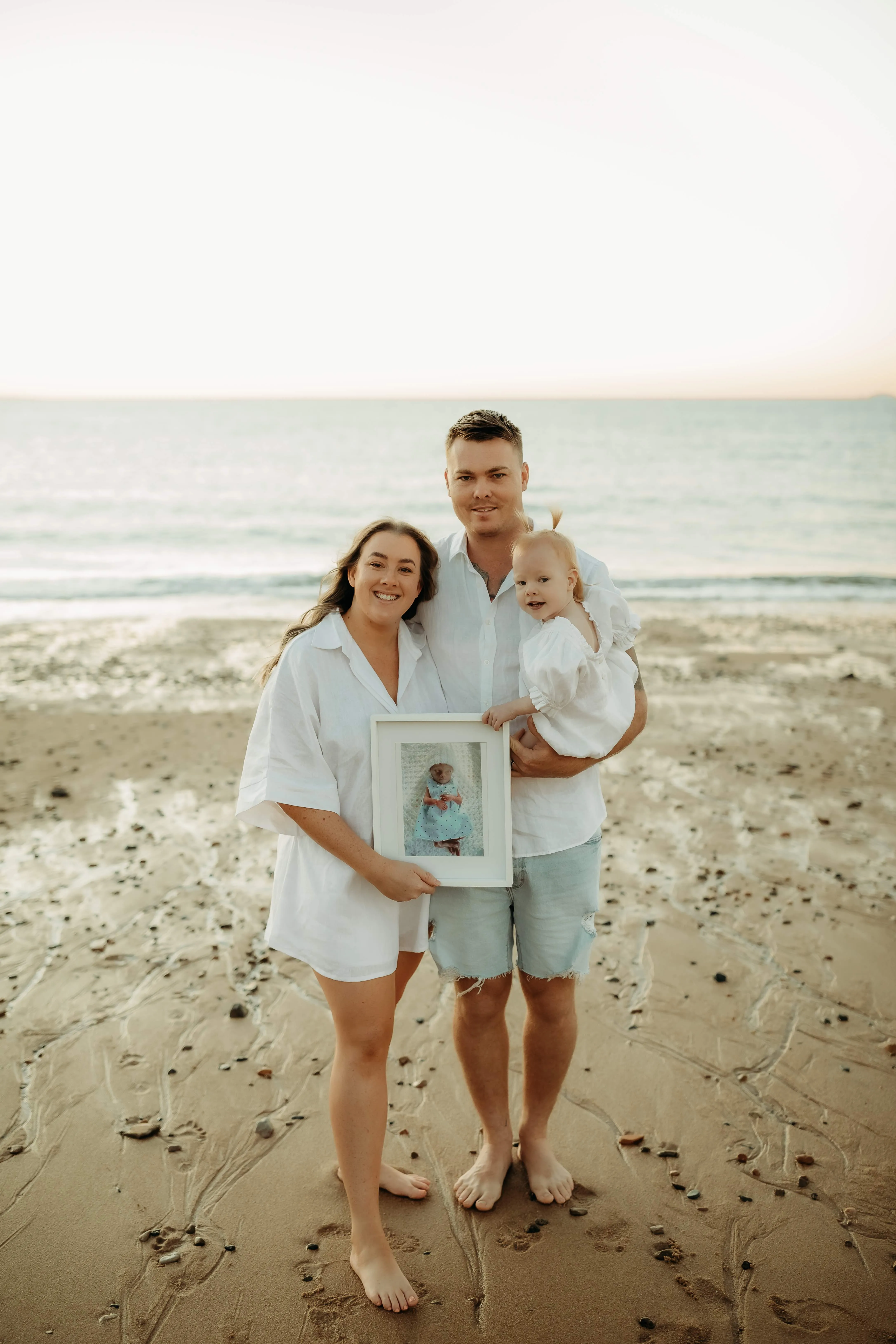
I’ve had four pregnancies, but only two children are here with me today. Our baby girl was stillborn. And after her, there was another pregnancy that ended in miscarriage, early and quietly. Each of these experiences reshaped who I am.
When I first became a mother, I was completely unprepared for how vulnerable and disorienting the transition into parenthood could feel, particularly after experiencing birth trauma during my first delivery. There was very little conversation around maternal emotional wellbeing, especially within communities where women are often expected to simply cope, continue and be grateful. Looking back now, I can see how much I was carrying silently.
There’s a stereotype about Lebanese families, that we come from big, warm, tightly knit households, full of laughter, food, and endless cups of tea. That there’s always a “village” around you when becoming a parent. Images of women being gently held through the postpartum period, nourished while others care for the baby and home around them.
And while there can be beauty in that image, the reality for many of us is often more layered and complex, particularly for first-generation Australian families navigating migration, intergenerational trauma and differing cultural expectations around mental health and motherhood.
I was surrounded by people who loved me deeply, including caring parents and sisters, but I still often felt emotionally isolated in my experiences of birth trauma, grief and early motherhood. There was very little language around perinatal mental health. I didn’t always know how to articulate what I was feeling, and there were very few culturally safe spaces where I could openly speak about pregnancy loss, emotional distress and the realities of becoming a mother without fear of misunderstanding or shame.
I now understand that part of that silence comes from something deeper, a legacy of unspoken pain. In many of our communities, perinatal mental health is still surrounded by stigma. There is often little room to openly discuss trauma, emotional distress or attachment struggles during pregnancy and parenthood.
After my stillbirth, I struggled in ways I didn’t fully understand at the time. The world seemed to continue on while I felt suspended inside a grief that touched every part of my life. Over time, support from compassionate health professionals, and counselling helped me slowly begin to process what had happened.
My pregnancy after loss, was emotionally exhausting in ways I could never have anticipated. But this time, I approached things differently. I reached for support earlier. I spoke more honestly about how I was coping. Having continuity of care, emotional support and people who acknowledged both my grief and my pregnancy made a meaningful difference.
Eventually, through story and hearing the experiences of others, I realised there were so many families, carrying similar pain in silence. I wasn’t alone. But for a long time, I had been made to feel that way.
Fatima's Story
Please submit your details below and we will be in touch soon.
Related Fact Sheets



Related factsheets




a new mum's story
this Christmas


%201.webp)



.webp)


Urgent Help is Available



%201.webp)