

Stillbirth

Stillbirth is the tragic death of a baby before or during birth from 20 weeks’ gestation, or when a baby weighs 400g or more if gestation is unknown. It is a profound loss that can bring grief, shock and trauma, alongside the physical reality of giving birth and recovering without your baby in your arms.
The experience of stillbirth can feel impossible to make sense of. Parents may be asked to make decisions about birth, spending time with their baby, investigations, registration and memory-making while feeling shocked, exhausted or numb. However and whenever your baby died, your baby matters, your loss matters, and you deserve care, compassion and support.
Understanding Stillbirth
Stillbirth is different from other forms of pregnancy or infant loss because parents may still need to prepare for labour and birth after learning their baby has died, or may discover during labour or birth that their baby has no signs of life. This can be deeply traumatic and may feel unreal, frightening or overwhelming.
Some families receive answers about why their baby died, while others may never have a clear explanation. Investigations such as placental examination, genetic testing, blood tests or autopsy may be discussed with you. These decisions can be difficult, and you can ask for time, clear information and support before choosing what feels right for you.
Your baby’s death was not your fault. Many parents search for reasons or replay moments from pregnancy, birth or medical care. Self-blame can be common after grief and trauma, even when nothing could have prevented the loss. If these thoughts feel distressing or repetitive, a trusted health professional can help.
Emotional and Mental Health Impact
Grief after stillbirth can carry many layers: the death of your baby, the loss of the future you imagined, the physical recovery after birth, and the trauma of what happened in hospital or during labour. Grief is not linear. It can come in waves, change over time, and re-emerge around due dates, birthdays, anniversaries, medical appointments, pregnancy announcements or other reminders. You may experience:
- Shock, disbelief, numbness or feeling detached from the birth and your baby’s death
- Deep sadness, longing, emptiness or yearning for your baby
- Anger, guilt, self-blame, confusion or a need to understand why your baby died
- Anxiety, panic, intrusive thoughts or fear about future pregnancies or medical care
- Sleep or appetite changes, exhaustion, difficulty concentrating, headaches, body aches, chest tightness or stomach discomfort
- Feeling isolated, especially if others do not know what to say or avoid talking about your baby
- Mixed emotions, including moments of calm, distraction or relief alongside grief
If symptoms feel unmanageable, intensify, or affect your ability to function or feel safe, it is important to seek support. This is a way of caring for yourself during an extremely painful time.
Relationships
Stillbirth can affect relationships in very specific ways because one parent may be physically recovering from birth while both parents are grieving the death of their baby. Partners may feel pressure to be “strong”, manage practical tasks, or support the birthing parent while also feeling shock, sadness, guilt or helplessness themselves.
Families may also need support to talk about the baby, explain what happened to other children, and manage future pregnancy conversations. Some children may need simple, age-appropriate explanations and reassurance that the baby’s death was not their fault. A child psychologist or specialised support service can help you speak with them gently and honestly.
Support From Others
After a stillbirth, support may be needed in both emotional and practical ways, including during hospital care, the days after birth, funeral or memorial planning, and the transition home without your baby. Letting trusted people know what you need, and what you do not, can reduce pressure and help you feel less alone.
- Lean on your trusted family, friends, community, cultural or spiritual supports, and health professionals.
- Ask a trusted person to update family and friends so you do not need to repeat painful details.
- Let others know what feels supportive, such as sitting quietly with you or offering practical help.
- Let people know whether it feels helpful for them to say your baby’s name, acknowledge the birth, or ask about your baby.
- Accept practical help with meals, transport, groceries, childcare, paperwork, funeral tasks or household jobs.
- Set boundaries around visits, photos, questions, social media, pregnancy conversations or baby-related events.
- Prepare simple phrases, such as “I am not ready to talk about this today” or “Please keep checking in, even if I do not reply”.
Decisions After A Stillbirth
After a stillbirth, parents may be asked to make significant decisions very soon after receiving devastating news. Some decisions relate to birth and hospital care, while others relate to your baby, your body, investigations and what happens after you leave hospital. You do not have to decide everything at once. Midwives, doctors, social workers and trusted support people can help you understand your options and take things one step at a time.
- Your birth options and what to expect during labour, birth or caesarean recovery
- Whether you would like to hold, bathe or dress your baby
- What memories or mementos you would like to create or keep
- Whether an autopsy or other investigations may be helpful
- Funeral or memorial arrangements
- Lactation and physical recovery after birth
- Registration, paperwork, Centrelink payments or parental leave
- How and when to share the news with family, friends, work or your wider community
Meaningful Ways to Honour Your Baby
After a stillbirth, parents may have a short and precious time to create memories with their baby. Some parents find this comforting, while others may not feel ready or may choose not to. There is no right or wrong way to honour your baby. Only choose what feels meaningful for you and your family.
- Spend time holding, bathing, dressing or speaking to your baby, if that feels right for you
- Keep photos, handprints, footprints, clothing, hospital bands, a blanket, toy or memory box
- Name your baby, write them a letter, or speak their name if that feels meaningful
- Mark your baby’s birthday, due date or other significant dates with a candle, flowers, a quiet walk, a family ritual or time for reflection
- Create something in their memory, such as artwork, jewellery, a keepsake, planting a tree, or making a donation in their honour
- Include cultural, spiritual or religious practices that are important to you
Looking After Yourself
After a stillbirth, your body may still go through labour, birth, bleeding, hormonal changes, milk coming in and physical recovery. Looking after yourself may simply mean meeting basic needs, accepting help and reducing pressure while your body and mind begin to process what has happened.
- Ask your midwife, obstetrician or GP what physical symptoms to expect after birth and when to seek medical advice
- Talk with your healthcare team about lactation options, including expressing, donating, suppressing milk or managing discomfort
- Write down questions about investigations, autopsy results, placental testing or follow-up appointments
- Eat and drink when you can, even if it’s small or simple, and keep water, medication and comfort items nearby
- Rest when possible, and seek medical advice if sleep becomes very difficult
- Limit or pause social media if pregnancy announcements, baby content or messages feel too painful
- Ask about parental leave, compassionate leave, Centrelink payments or workplace flexibility when you feel ready
- Allow moments of distraction, quiet, anger, numbness, sadness or connection without judging yourself
When To Get Extra Support
There is no timeframe for grief after stillbirth, but extra support may be helpful if grief, trauma, anxiety or fear about the future affects your ability to feel safe or able to get through the day. You may need extra support if you:
- Feel unable to get through daily tasks for an extended period
- Feel persistently numb, hopeless, panicked or overwhelmed
- Have intrusive memories, nightmares or distressing images related to learning your baby had died, labour, birth or hospital care
- Avoid reminders, appointments or conversations to the point that it affects daily life
- Feel intense fear about future pregnancies, medical care or your body’s ability to keep a baby safe
- Feel disconnected from yourself, your partner, your baby, your family or your community
- Use alcohol, medication or other substances to cope
- Have thoughts of harming yourself or feel that you cannot stay safe
Support Services
You do not have to go through stillbirth alone. Talking with someone who understands perinatal grief, birth trauma, physical recovery and future pregnancy worries can help you feel less alone as you navigate the days ahead.
- Family & Friends: Practical help can make a big difference. You may like to ask for meals, groceries, transport, childcare, household tasks, appointment support, paperwork help or gentle check-ins.
- GP, Obstetrician or Midwife: They can support physical recovery after birth, discuss lactation, explain investigations or follow-up care, and refer you for extra emotional support.
- Hospital Social Worker or Bereavement Midwife: They can help with memory-making, registration, paperwork, funeral arrangements, Centrelink information and practical decisions after a stillbirth.
- Gidget Foundation Australia: Individual psychological therapy for parents affected by stillbirth with a perinatal mental health clinician. Support is available to birthing and non-birthing parents, and can help with grief, trauma, anxiety, overwhelm or future pregnancy fears.
- Additional Support & Resources: The following organisations may also offer helpful information and support.
- Bears of Hope: Provides grief support and resources for families who have experienced pregnancy, baby or infant loss.
- Heartfelt Australia & New Zealand: Provides volunteer photographic services to families experiencing stillbirth, premature birth, serious illness, or infant/child loss.
- PANDA: Provides national support for mental health and wellbeing during pregnancy and the first year of parenthood, including phone and online support.
- Red Nose Grief and Loss Support: Provides bereavement support, counselling and information for families following the death of a baby or child.
- Stillbirth Foundation Australia: Supports stillbirth research, education and awareness to help reduce stillbirth and improve care for families.
If you or someone you know is in immediate danger, call 000. If urgent mental health support is needed, call Lifeline on 13 11 14 or Beyond Blue on 1300 22 4636.
More Fact Sheets


Fact Sheet
Parenting a Child with Disability



Fact Sheet
Perinatal Mental Health in Australia


Fact Sheet
Parenting After Childhood Sexual Abuse

Fact Sheet
Termination For Medical Reasons
Fact Sheet
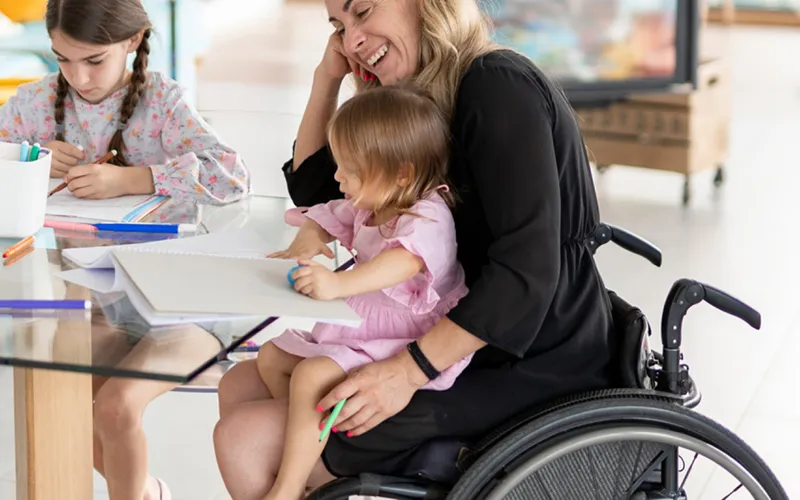
Parenting with Disability


Fact Sheet
What to Expect at Your First Appointment

Fact Sheet
Multiple Births


Fact Sheet
Miscarriage & Pregnancy Loss

Fact Sheet
Assisted Reproduction


Fact Sheet
How to Access Counselling

Fact Sheet
Coping with Infertility

Fact Sheet
Multicultural Families

Fact Sheet
Managing the Transition into Parenthood


Urgent Help is Available



%201.webp)