Please submit your details below and we will be in touch soon.
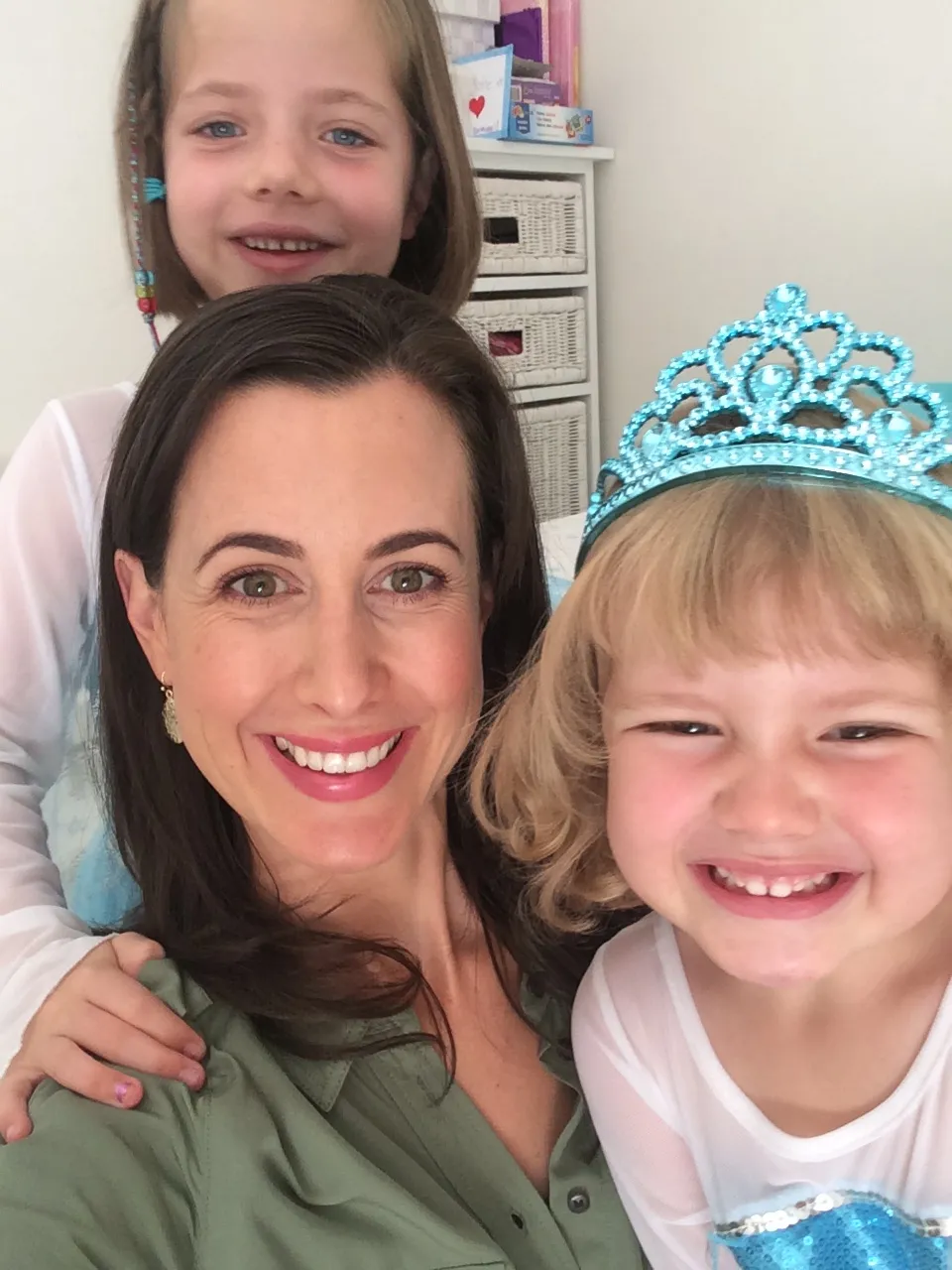
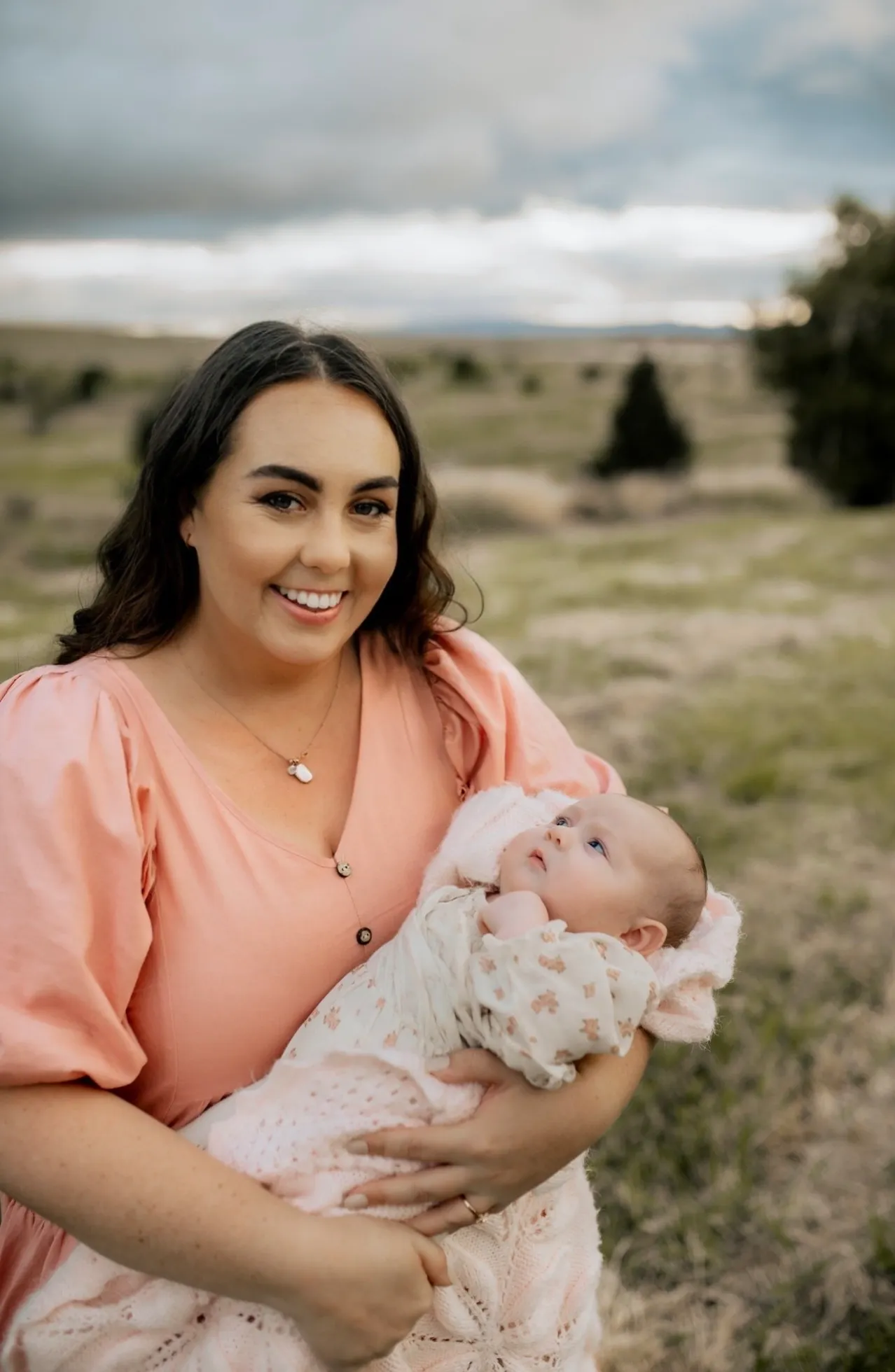
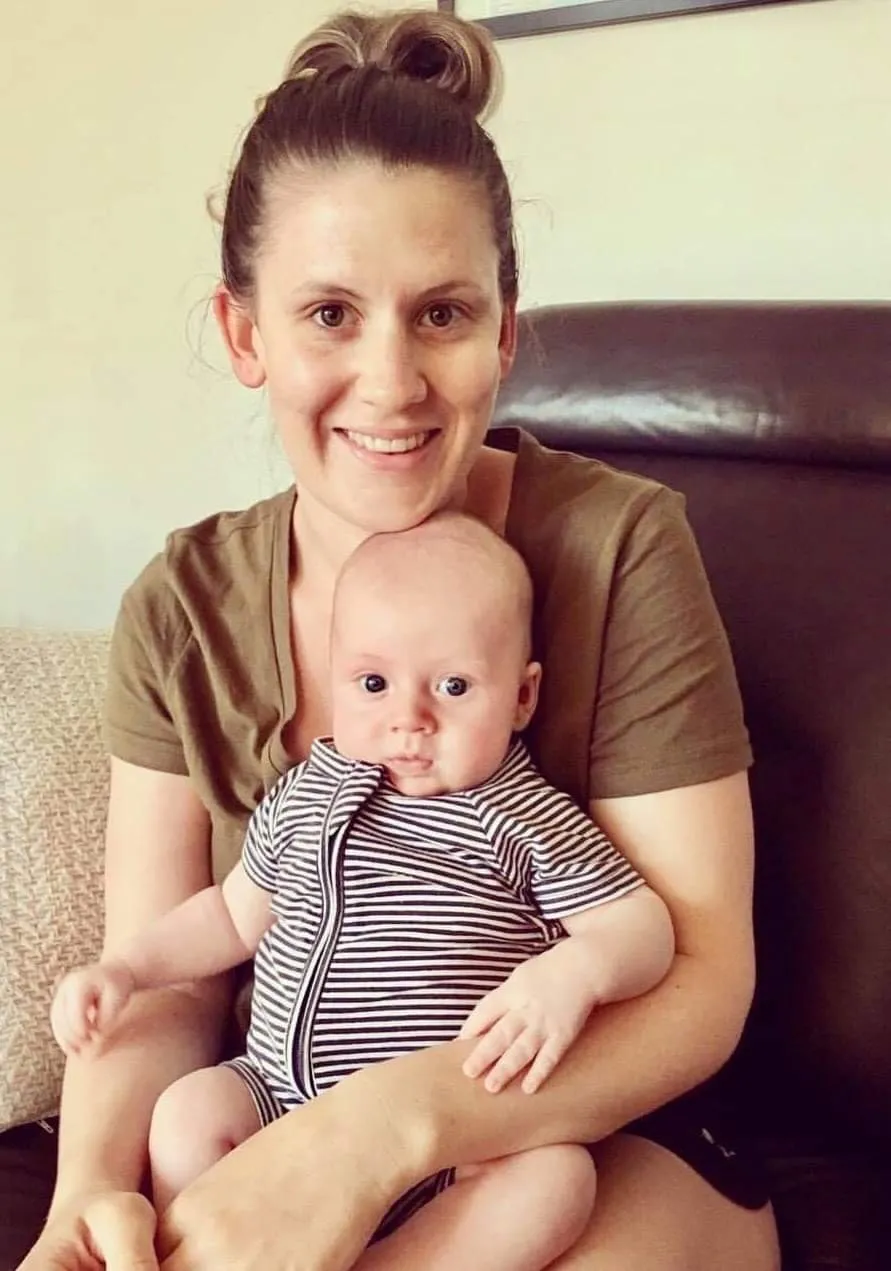
I experienced postnatal depression with both of my daughters. It was an unexpected and frightening experience that had a huge impact on my life and my relationships. It was a lonely, confusing, and isolating time, one I am deeply grateful I survived and was able to overcome.
Being a mother has been the most rewarding experience of my life and brings me so much joy and happiness. However, those early years were incredibly tough.
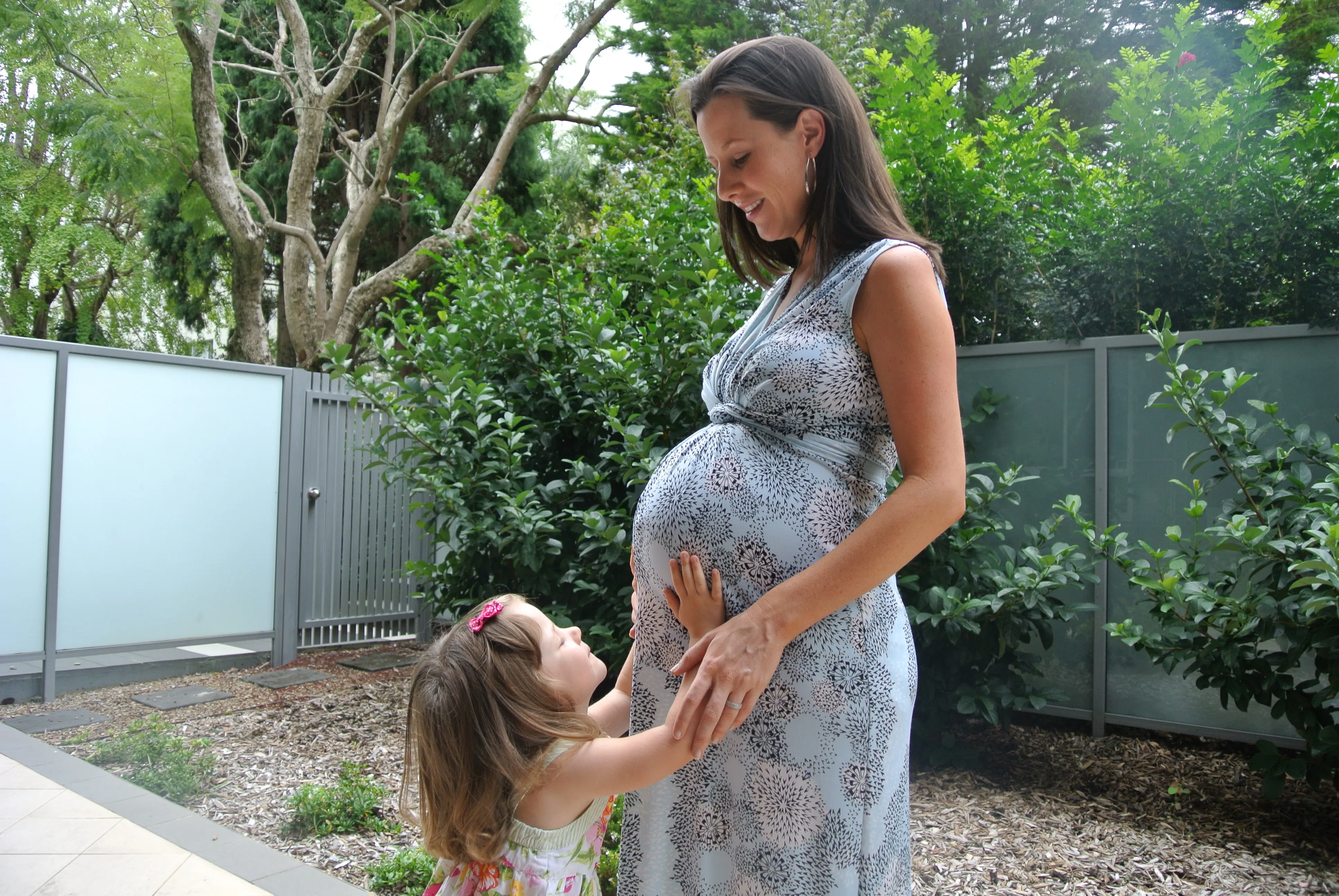
After a fantastic pregnancy, during which I felt amazing physically and emotionally, I experienced a challenging birth that left me shaken but, overall, okay. I immediately connected with my baby daughter and felt positive about what was ahead.
Five days after the birth, on the day I was due to go home, I woke up and felt completely different, anxious, dark, and fearful about going home with the baby. It was like night and day. My anxiety went through the roof. I couldn’t eat, sleep, or relax for months. My daughter wouldn’t sleep during the day unless she was being held or was in the pram, so I walked for miles every day, feeling scared and alone.
We had our own business, so there was no maternity or paternity leave. My husband was away working 14-hour days on film sets, and our stress levels were through the roof. I felt isolated, strung out, and scared. I cried at many doctor and child health centre appointments, and no one picked up on my depression — it was dismissed as the ‘baby blues’ or worse, it was implied that I was just not coping with the early days of motherhood and 'just needed to toughen up and get through it'. These reactions only exacerbated the feelings of shame and hopelessness I was already feeling.
It wasn’t until my obstetrician asked how I was really doing that I broke down and shared just how bad I was feeling and how scared I was that I couldn’t go on. From there, a combination of medication, therapy, and a support group helped me finally feel like myself again.
I was nervous about potentially going through it a second time, but we were determined to have another child and give our daughter a sibling. Our second daughter was born three years later, and despite being mentally prepared and better supported this time around, I had a similar experience, although not as severe.
As soon as I recognised the same feelings after the birth and in the weeks that followed, I went straight back on medication. I was better equipped to ask for help and felt far less shame.
I have so much empathy for new parents. Nothing can truly prepare you for what lies ahead, or for how your body and hormones may respond to such a profound experience.
I think we have come a long way since I had my daughters, due to the hard work of organisations like Gidget Foundation Australia, which have done so much over the years to raise awareness and reduce the shame and stigma new parents can feel when they are struggling.
Therese's Story
Please submit your details below and we will be in touch soon.
Related Fact Sheets


Related factsheets



a new mum's story
this Christmas



%201.webp)






Urgent Help is Available



%201.webp)