
Please submit your details below and we will be in touch soon.
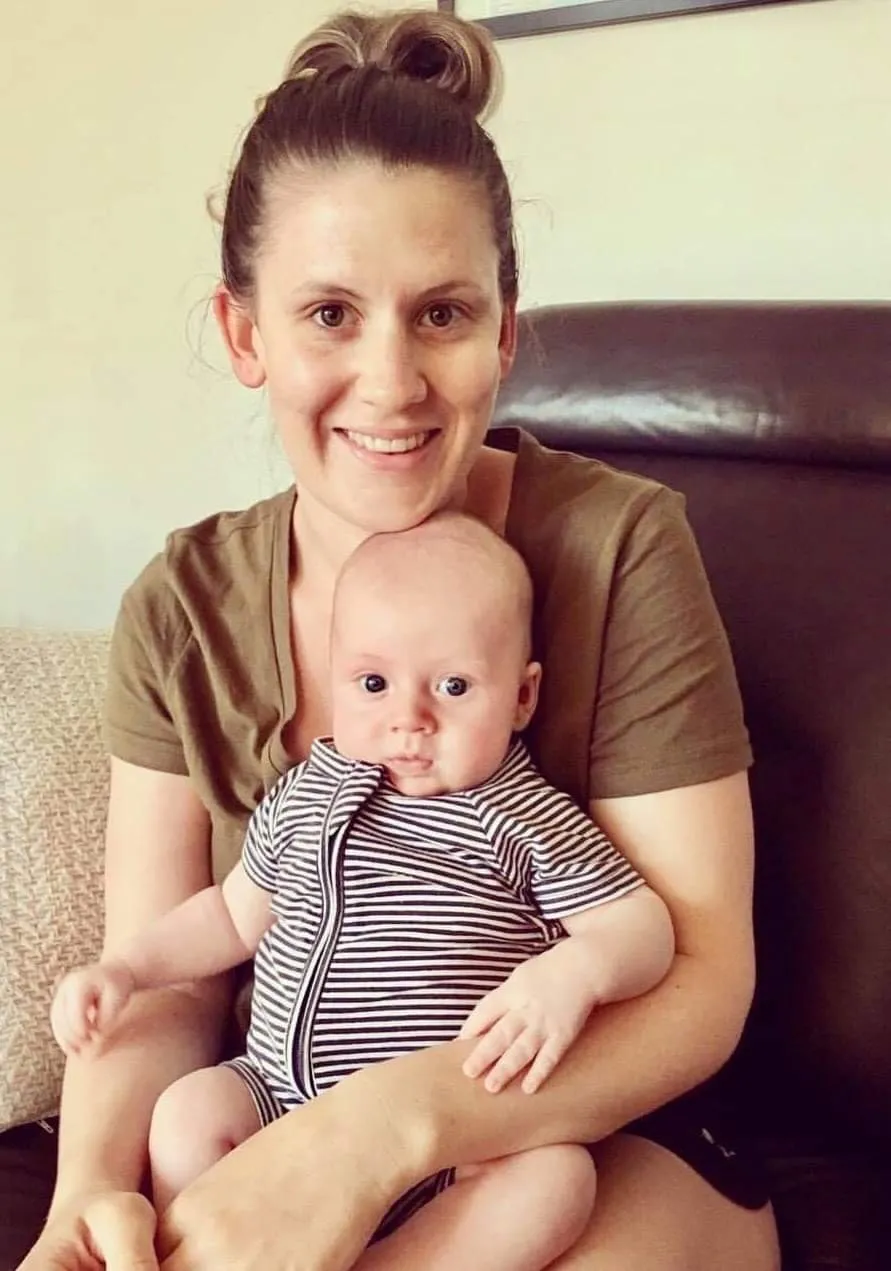
Having a child was meant to be the most amazing experience, except for me it wasn’t. It signalled a downward spiral that ended up in severe depression, weird uncontrollable thoughts and my world collapsed to just getting through the next minute. My husband had to take emergency leave to look after myself and our 9-week-old son.
The good news is I DID get through it! I have a healthy six-year-old boy and I don’t even think about post-natal depression any more. I am working and studying part-time and my relationship with my husband is better than ever.
So how did I get through it?
#1 – Knowing other women had recovered. Hearing Brooke Sheilds’ story gave me hope, and that is why I am sharing my story with you.
#2 – Speaking to my husband honestly. As soon as I told him my ‘weird’ thoughts, my feelings of desperation – that’s when my recovery started as I was being honest with myself and sharing the load with another person.
#3 – Speaking to a doctor who understood PND. Doctors are like hairdressers, if the first one is no good, go elsewhere. I initially saw a GP who could not cope with me saying “I think I have PND.” Maybe because I had on full make-up and a smile (little did he know that was my armour and nothing more!). He moved his chair away from me and asked in a shocked way “You are not having any weird thoughts are you?”. I said “No” because by that point I was paranoid and thought the government would take away my baby if I said yes.
We called my midwife and she recommended a psychiatrist who specialised in PND. Seeing a medical professional who understood was amazing. I trusted her, I could speak to her, so when she said I will recover, I believed her.
#4 – If your trusted doctor suggests medication, take it. I hadn’t taken medication for mental health before and I felt unsure, like I was weak. But I trusted my psychiatrist and I took it. It really helped to move my recovery along faster. Now I realise I was being incredibly strong when I was at my weakest by being honest about what was happening and by taking advantage of medication we are lucky enough to access in the 21st century.
#5 – By being kind to myself and taking it 1 day (or 1 hour or 1 minute) at a time. The quickest path to recovery is to be honest with yourself and others and give yourself a mental and physical break. Recovery is slow and steady, not overnight. If someone offers to help, even if it is just to take the baby for an hour – take it! Have a sleep, get your nails done, read a book – whatever! Don’t expect to be superwoman because she does not exist (even without PND). With support from family, friends and the medical profession you will recover! The first step is being honest with yourself and knowing that admitting you are struggling is a sign of strength, not weakness.
Katrina's Story
Please submit your details below and we will be in touch soon.
Related Fact Sheets




a new mum's story
this Christmas
.webp)








Urgent Help is Available



%201.webp)