



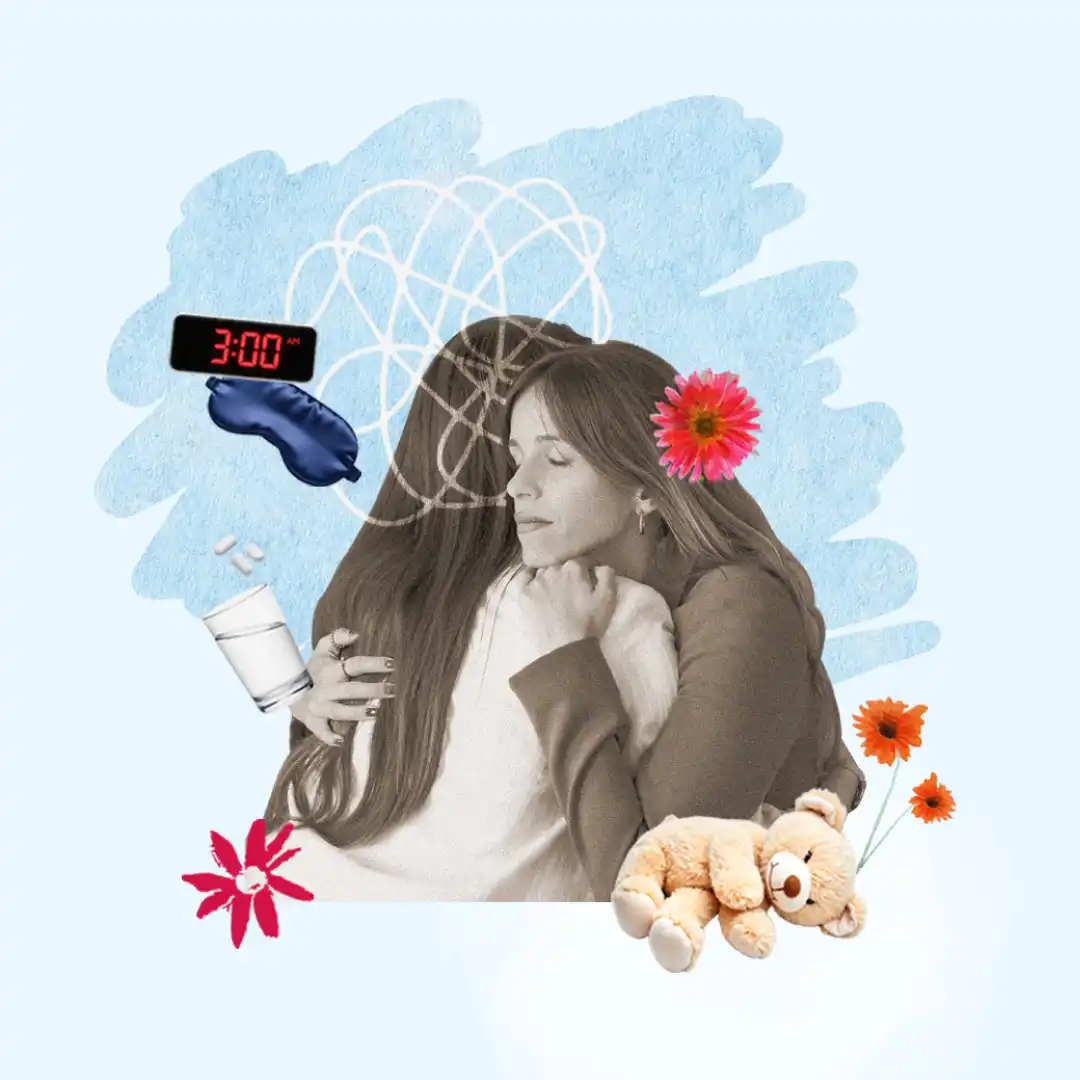
If you’re a friend of a new parent, you might have seen the sleepless nights and the constant ups and downs firsthand, especially during those early weeks and months. While some level of sleeplessness, stress and exhaustion is expected, there are times when the challenges faced by new parents extend beyond what is considered typical.
One such challenge is postpartum psychosis - a psychiatric emergency occurring soon after childbirth. It affects about 1 to 2 women in 1000 (Friedman, Reed & Ross, 2023). For many new mothers, this may be the first time they have ever experienced a mental illness. Understanding postpartum psychosis and how it might affect someone you care deeply about can help you recognise the signs and know when and how to seek professional help.
Understanding Psychosis
So, what exactly is psychosis? Described generally, it is a mental state characterised by losing contact with reality. Postpartum psychosis occurs in the context of childbirth, and it is a confusing and terrifying experience. It comes on suddenly and there is a rapid deterioration in mental state. Postpartum psychosis reveals itself typically three to 10 days after birth, but some women reflect on almost immediate distortions in their perception and thinking (Friedman, Reed & Ross, 2023).
Women and their partners often report some of the first signs they recognise are sleep deprivation, severe anxiety about the baby, hopelessness, and a sense something is wrong even if they can’t quite put a finger on what it is exactly. They reflect on experiences of paranoia, disturbing thoughts and losing touch with, or feelings detached from, reality. Sometimes women are also coping with a devastating feeling of being disconnected from the baby or having trouble caring for the baby (Stockley, 2018).
Postpartum psychosis is highly treatable and there are good outcomes for women who can be admitted to a psychiatric mother-baby unit. With specialised treatment, the most severe symptoms usually resolve within two to 12 weeks (Forde, Peters & Wittkowski, 2020). However, it’s also important to recognise other symptoms can linger for longer and there is often an aftermath (depression, grief and loss, shame and guilt etc.) for your new parent friend. Never mind your friend has also just become a parent! While parenthood is amazing, many aspects of becoming a parent are extremely stressful and have an impact on mental health.
The Impact of Parenthood on Mental Health
Becoming a parent is transformative, bringing immense joy but also significant challenges. There is physical strain, change, injury and in some cases trauma, that comes with giving birth and becoming a mother. It also brings sleepless nights, new responsibilities, and an overwhelming amount of life change. For those who are vulnerable, pregnancy, birth and lactation can be catastrophic for mental health!
Starting a family is demanding of your friend's resources. It can be difficult to manage leave from work, childcare, financial obligations, day-to-day appointments and your role as a parent. There are also pressures to be the “perfect parent” and societal expectations placed on new mothers can amplify any feelings of inadequacy or hopelessness.
The physiological and emotional changes following birth, coupled with exhaustion, the new demands of caring for a baby and unrelenting standards for parenthood, create a perfect storm for mental health issues. While most people are familiar with postpartum depression, postpartum psychosis remains less well-known but is equally important to recognise due to its severity and the need for early intervention.
"Postpartum psychosis occurs in the context of childbirth...It comes on suddenly and there is a rapid deterioration in mental state."
Signs of Psychosis in New Parents
Recognising the signs of psychosis in your new parent friend can be challenging. Postpartum psychosis remains less well-known and unfortunately, symptoms have been misunderstood or dismissed as something else even by healthcare providers. This means when the time comes to intervene and speak with a healthcare professional, friends and family have an important role in helping to paint a picture of what your friend is experiencing.
Symptoms of psychosis can include the following:
- Hallucinations: Seeing, hearing, feeling, smelling or tasting things that aren’t there (with auditory hallucinations being most common);
- Delusions: Strong or firmly held beliefs that are out of touch with reality and, in the case of postnatal psychosis, are often related to the baby;
- Disorganised thinking: Psychosis can impact cognition so thoughts become fragmented and speech is often affected. For instance, you might notice your friend is having trouble concentrating, they respond to conversation in ways that don’t make sense or have become incredibly forgetful and;
- Unusual or bizarre behaviour: Acting in ways that are out of character such as erratic body movements, wearing odd clothing or poor self-care.
Postpartum psychosis can also be accompanied by intense emotions, such as anxiety, depression or agitation and by what are referred to as “negative symptoms” such as apathy, low motivation or flat facial expressions. It’s not uncommon for your friend to be unaware they are experiencing psychosis during an episode.
There are signs to look out for but it’s key to trust the feeling that something is wrong and let that guide the care or support you provide your friend. Many mothers and families sense that something is wrong and wish they received support and the right intervention sooner. So you might find your friend or their family is quite relieved you approached them.
"There are signs to look out for but it’s key to trust the feeling that something is wrong..."
How to Approach a Friend Who May Be Experiencing Psychosis
If you suspect that a friend is experiencing postpartum psychosis, approaching them can feel daunting. The most important thing to remember is to approach them with empathy and without judgment. Here are some tips on how to start the conversation:
- Choose the Right Time and Place: Find a quiet, private, and comfortable setting to talk without interruptions. This might be a familiar place, such as your friend’s front patio over a cup of tea. Ensure the conversation feels safe.
- Express care and concern: Frame your observations as concerns: “I’ve noticed you seem really overwhelmed lately, and I’m worried about you”.
- Listen Without Judgment: Your friend may be confused or frightened. Let them speak freely about what is bothering them and listen without interrupting or offering immediate solutions.
- Explain you want them to get help: Say something like, “I’ve noticed you haven’t been sleeping well and you seem really anxious. I think it would help to talk to your GP about how you’re feeling. I can go with you if that helps.”
"The physiological and emotional changes following birth...and unrelenting standards for parenthood, create a perfect storm..."
When and How to Seek Professional Help
When is it time to encourage a friend to seek professional help? As soon as you begin to notice something is not right. Early intervention significantly improves your friend's short and long-term mental health outcomes (Forde et al, 2020). Some steps you can take include:
- Encourage Immediate Help: If your friend is showing signs of psychosis, encourage them to see a healthcare provider as soon as possible. You might say something like, “I’m really worried about you. I’ve noticed you haven’t been smiling or talking as much. You haven’t been sleeping at all, and you seem frightened a lot of the time since you got home from the birth. I want you to talk to a doctor about how you’re feeling. I can come with you if that helps.”
- Contact Family Members: If your friend seems reluctant or unable to seek help, consider speaking with their partner or a close family member who may be better positioned to support them.
- Call Emergency Services: If you believe your friend or their baby is in immediate danger, do not hesitate to contact emergency services.
Conclusion
Postpartum psychosis is a serious but treatable condition that affects some new parents. By understanding the signs and knowing how to offer support, you can play a vital role in helping your friend during one of the most challenging experiences of their life.
Remember, while parenthood brings with it incredible highs, it also brings moments of immense vulnerability. Your compassion, understanding, and willingness to act can make a profound difference. If you notice that a new parent in your life seems to be struggling beyond the typical challenges of new parenthood, don’t be afraid to reach out. Offering a listening ear, practical support, and willingness to act can be lifesaving.
Caring relationships are important for recovery, as they provide a sense of being loved and valued, which gives an incredible sense of safety; show faith in your friend's ability to recover; just by being there, you are a sense of continuity between life before and after psychosis.
References
Forde, R., Peters, S., & Wittkowski, A. (2020). Recovery from postpartum psychosis: a systematic review and metasynthesis of women’s and families’ experiences. Archives of Women's Mental Health, 23(5), 597-612.
Friedman, S. H., Reed, E., & Ross, N. E. (2023). Postpartum psychosis. Current psychiatry reports, 25(2), 65-72.
Jackson, C., Baggott, E., Bernard, M., Clutterbuck, R., Ryles, D., Turner, E. (2019). Recovering from a First Episode of Psychosis: An Integrated Approach to Early Intervention. United Kingdom: Taylor & Francis.
Khadivi, A. & Kleiger, J. H. (2015). Assessing Psychosis: A Clinician's Guide. United Kingdom: Taylor & Francis.
Stockley, R. (2018). Women's Experiences of Postpartum Psychosis During the Onset and Early Days. Journal of Prenatal & Perinatal Psychology & Health, 33(2).




.png)

